탐색으로 돌아가기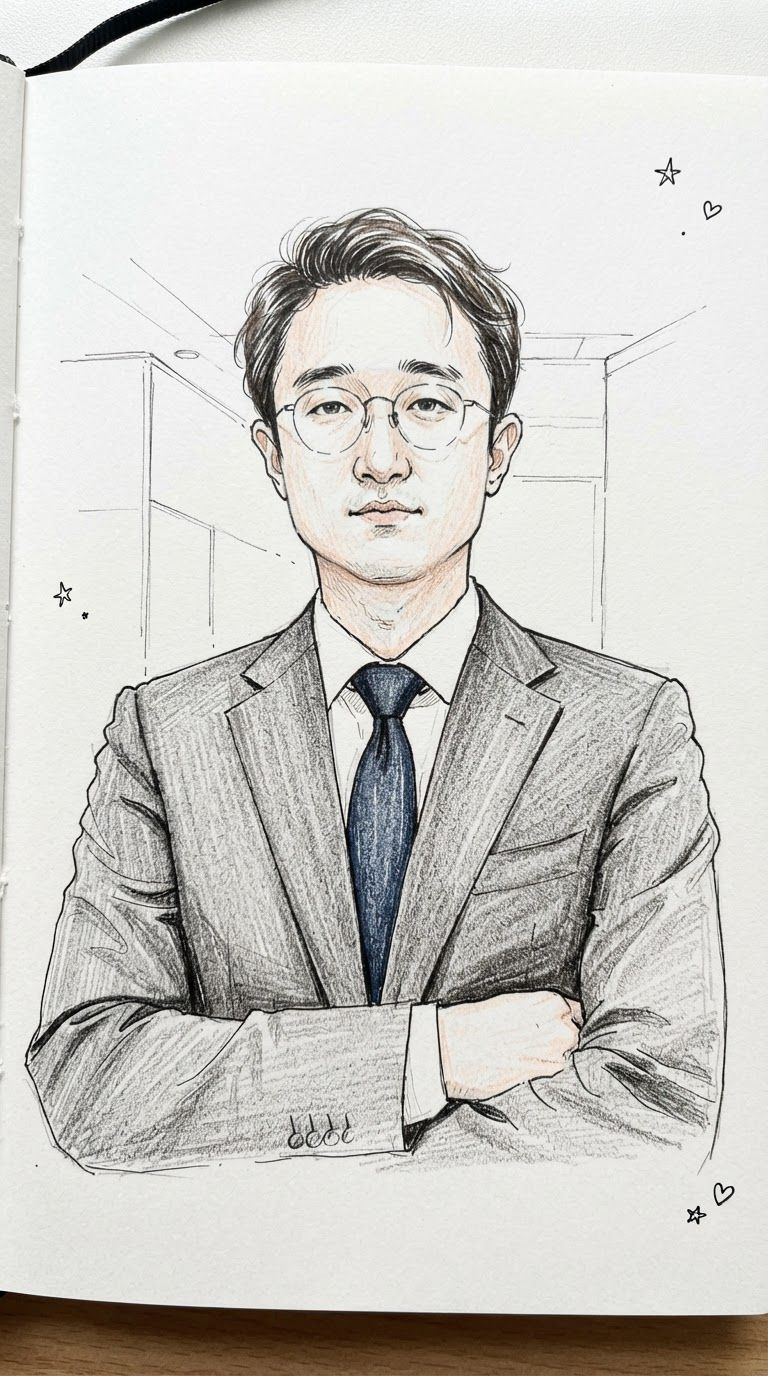
Nano Banana 2 Lite

프롬프트
Transform the uploaded photograph into an elegant hand-drawn sketchbook fashion illustration, while preserving the visual identity and moment of the original image.
1. SOURCE FIDELITY — HIGHEST PRIORITY
Treat the uploaded photograph as the single source of truth.
Preserve the subject’s recognizable:
facial structure and overall appearance
hairstyle, hair length, parting, and silhouette
body proportions
exact pose and posture
head tilt and gaze direction
arm and hand placement
clothing shape and layering
accessories, bags, jewelry, and meaningful props
camera viewpoint, crop, and overall composition
The illustrated figure should immediately read as the same person in the same captured moment, not a newly invented character.
Do not substantially beautify, redesign, reposition, or restyle the person.
Pose accuracy and silhouette accuracy take priority over decorative styling.
2. DRAWING LANGUAGE
Render the image as if it were drawn by hand on a bright white sketchbook page using:
fine black ink + dry colored pencil + light wax crayon accents.
Use expressive, slightly irregular linework rather than polished digital outlines.
The drawing should contain:
delicate overlapping contour lines
occasional unfinished strokes
subtle line variation
visible pencil grain
small natural inconsistencies
loose exploratory marks around hair and clothing
intentional white gaps between strokes
The result should feel sophisticated but spontaneous, like a talented illustrator quickly documenting a memorable street-fashion moment.
Avoid sterile vector-like precision.
3. FACE
Keep the face recognizable and close to the photograph.
Use refined but economical facial drawing:
naturally proportioned eyes
lightly suggested nose
softly defined lips
delicate jawline
restrained eyelashes
subtle expression matching the source photo
Apply a very light peach or rose pencil tone to the cheeks, nose, lips, and selected skin areas.
Do not turn the face into a generic anime character.
Do not enlarge the eyes excessively.
Maintain believable adult facial proportions.
4. HAIR
Hair should be one of the richest areas of the illustration.
Build it using many flowing, overlapping strokes in black, dark brown, and occasional warm brown pencil.
Include:
individual loose strands
flyaway hairs
imperfect edges
broken strokes
curved gesture lines
areas where white paper remains visible between strands
Avoid rendering the hair as one solid digital mass.
It should feel physically drawn strand by strand.
5. SELECTIVE COLORING
Do not completely color every region.
Use color strategically.
Leave much of the paper and clothing surface white, using only enough pigment to communicate the original photograph.
Concentrate stronger color in visually important elements such as:
hair
cheeks and lips
signature clothing pieces
bags
shoes
accessories
flowers
vehicles
food or objects being held
other distinctive props from the original scene
Use lighter, sparse strokes elsewhere.
The white paper itself should remain an important part of the final composition.
No smooth digital gradients.
Colored areas must retain visible pencil or crayon texture.
6. CLOTHING AND MATERIALS
Describe clothing through a combination of:
loose contour lines
sparse fold lines
lightly layered pencil strokes
selective shadow hatching
small areas of unfinished coloring
Preserve the original outfit design rather than replacing it with a more fashionable alternative.
For leather, denim, knitwear, cotton, or bags, suggest texture through marks rather than photorealistic rendering.
7. HANDS AND BODY
Hands must follow the photograph carefully.
Preserve:
number of fingers
wrist orientation
hand gesture
object interaction
arm direction
Keep anatomy simple but correct.
Never hide difficult hands by inventing clothing, cropping, or changing the pose.
Do not create additional arms, fingers, legs, accessories, or objects.
8. BACKGROUND REDUCTION
Convert the original environment into a minimal visual memory of the scene, rather than reproducing the entire background.
Keep the page predominantly white.
Choose only a few recognizable environmental cues from the source photograph, such as:
tree outlines
road markings
storefront edges
windows
street lamps
parked cars
café furniture
architectural lines
flowers or plants
Draw them using thin, incomplete black sketch lines with little or no color.
Background detail should decrease as it moves away from the subject.
The subject must remain visually dominant.
9. DECORATIVE DOODLES
Add a very small number of spontaneous hand-drawn accent marks around the subject.
Use approximately 2–4 total elements, such as:
tiny outlined hearts
four-point sparkles
short radiating emphasis marks
miniature abstract strokes
Keep them black, simple, and irregular.
They should feel like casual notebook annotations, not graphic design stickers.
10. COMPOSITION
Use a spacious vertical composition.
The main figure should occupy roughly 65–80% of the visual height, depending on the source photo.
Maintain generous negative space around the subject.
Preserve the photographic sense of movement and direction.
Avoid centering everything unnaturally if the original photograph has an asymmetrical composition.
The final image should feel like:
a candid photograph reinterpreted as a personal fashion diary drawing.
11. VISUAL CHARACTER
Overall aesthetic:
editorial sketchbook illustration,
contemporary Korean lifestyle drawing,
romantic urban fashion diary,
hand-drawn street-style portrait,
delicate ink illustration,
dry colored-pencil texture,
expressive loose linework,
warm understated color palette,
airy white composition,
elegant imperfect drawing,
analog art-material texture.
The illustration should feel charming and polished through good observation, not through perfect digital rendering.
12. DO NOT INCLUDE
No embedded copy of the original photograph.
No photo frame or collage.
No captions.
No typography.
No watermark.
No logo.
No interface elements.
No page numbers.
Do not add people who are not present in the source.
Do not invent props.
Do not change the subject’s pose.
Do not alter the outfit design.
Do not dramatically change body proportions.
Do not generate extra fingers or limbs.
Do not merge fingers together.
Do not distort hands or shoulders.
Do not use photorealistic skin.
Do not use 3D rendering.
Do not use glossy digital painting.
Do not use vector-clean outlines.
Do not use heavy cel shading.
Do not use thick comic-book outlines.
Do not fully paint the background.
Do not oversaturate colors.
Do not make every line perfectly smooth.
Do not erase the natural irregularities that make the illustration feel handmade.
FINAL PRIORITY
When artistic style conflicts with source accuracy, follow the photograph.
Prioritize in this order:
recognizable person → exact pose → body silhouette → hands and anatomy → clothing and accessories → composition → expressive linework → selective coloring → decorative details.
The final result should feel light, intimate, fashionable, and genuinely handmade — as though an illustrator observed the photograph carefully and recreated the moment with ink and colored pencils on white paper.
생성 정보
MODEL
Nano Banana 2 Lite
SEED
852937722
등급
전체 이용가
출처
업로드
해상도
768 × 1376
비율
≈9:16 · 세로
댓글