영상 프롬프트는 이미지 프롬프트와 다릅니다 — 카메라 단어장

이미지 프롬프트를 그대로 영상에 넣으면 대개 정지 화면에 가까운 것이 나옵니다. 빠진 게 있어서예요. 시간입니다.
이미지는 ‘무엇이 있는가’만 적으면 되지만, 영상은 ‘무엇이 어떻게 변하는가’를 적어야 합니다. 제가 정리한 단어장을 공유합니다.
1. 카메라를 움직이는 말
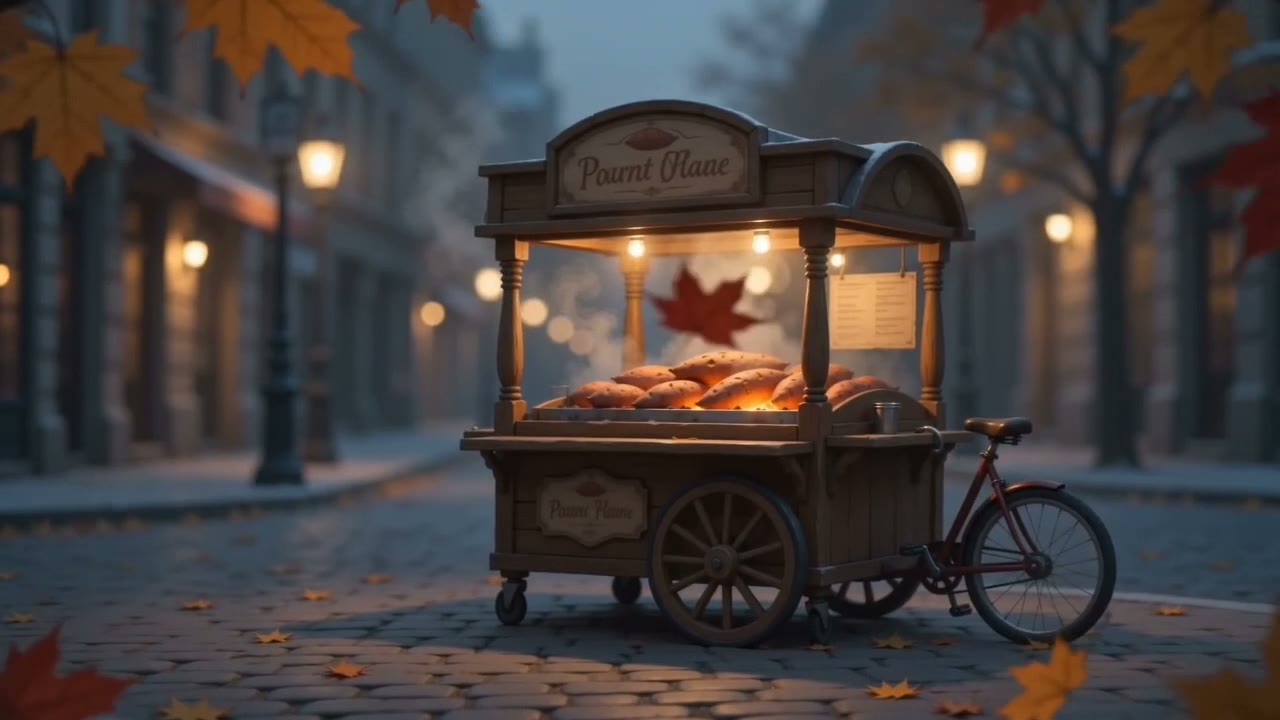
slow steady dolly-in push toward ~, at constant speed — 줌과 다릅니다. 줌은 렌즈만 당기지만 돌리는 카메라가 실제로 걸어 들어가서 배경 원근이 같이 변해요. at constant speed를 빼면 속도가 출렁입니다.
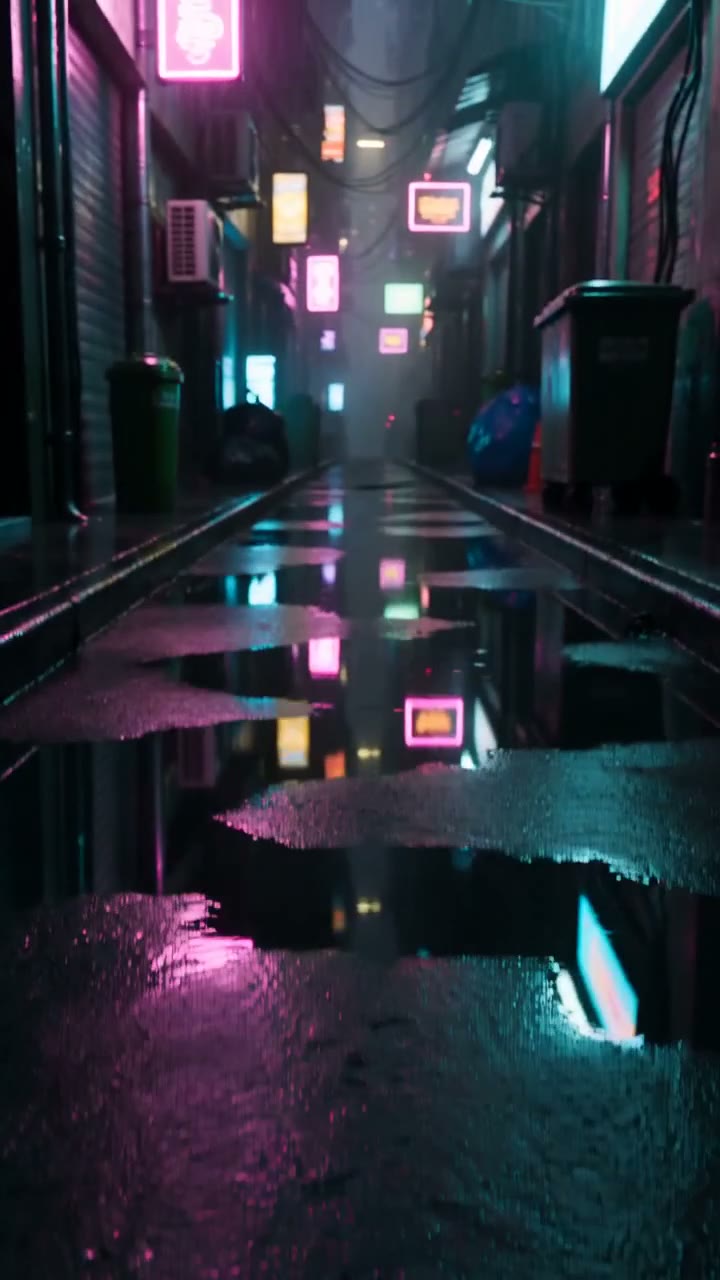
camera starts low on wet asphalt, then lifts steadily upward past cables to reveal the skyline — 크레인은 시작점과 끝점을 둘 다 적는 게 요령입니다. 어디서 출발해 어디서 끝나는지만 말해주면 중간은 알아서 채웁니다.
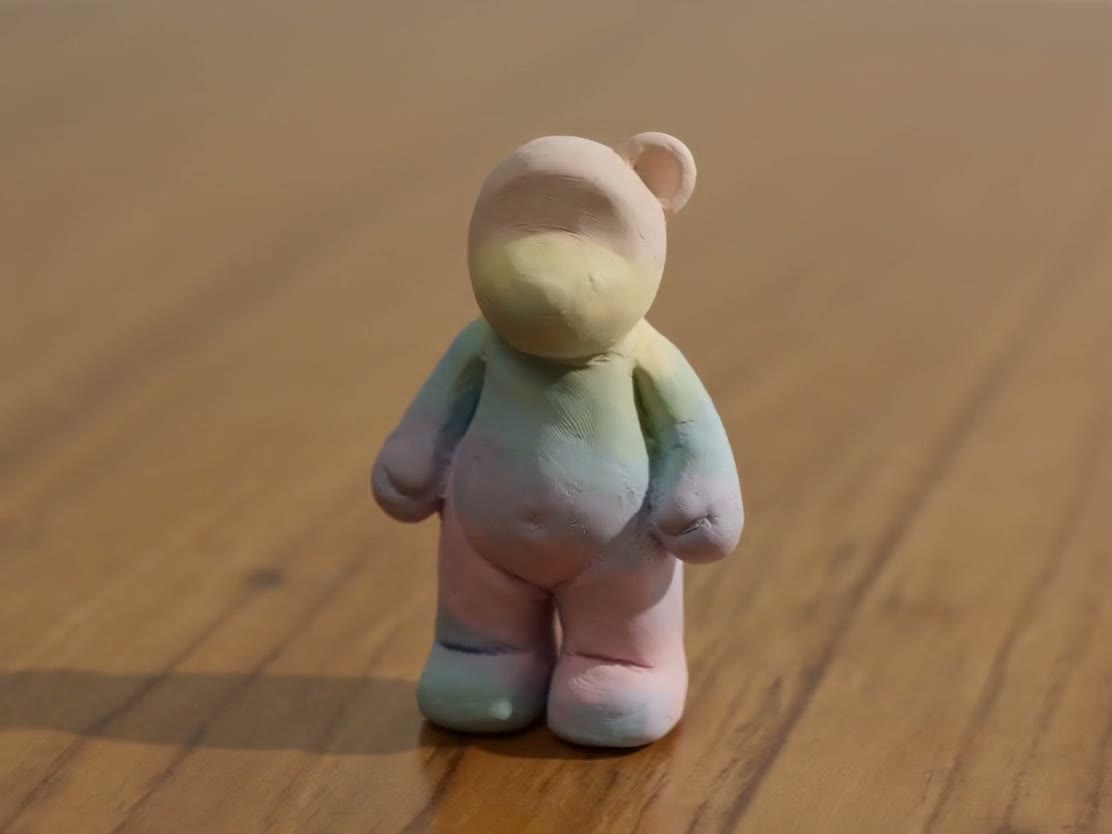
360-degree orbit at constant radius and height — 입체물은 돌려봐야 합니다. 반경과 높이를 고정한다고 적어야 카메라가 흔들리지 않아요.
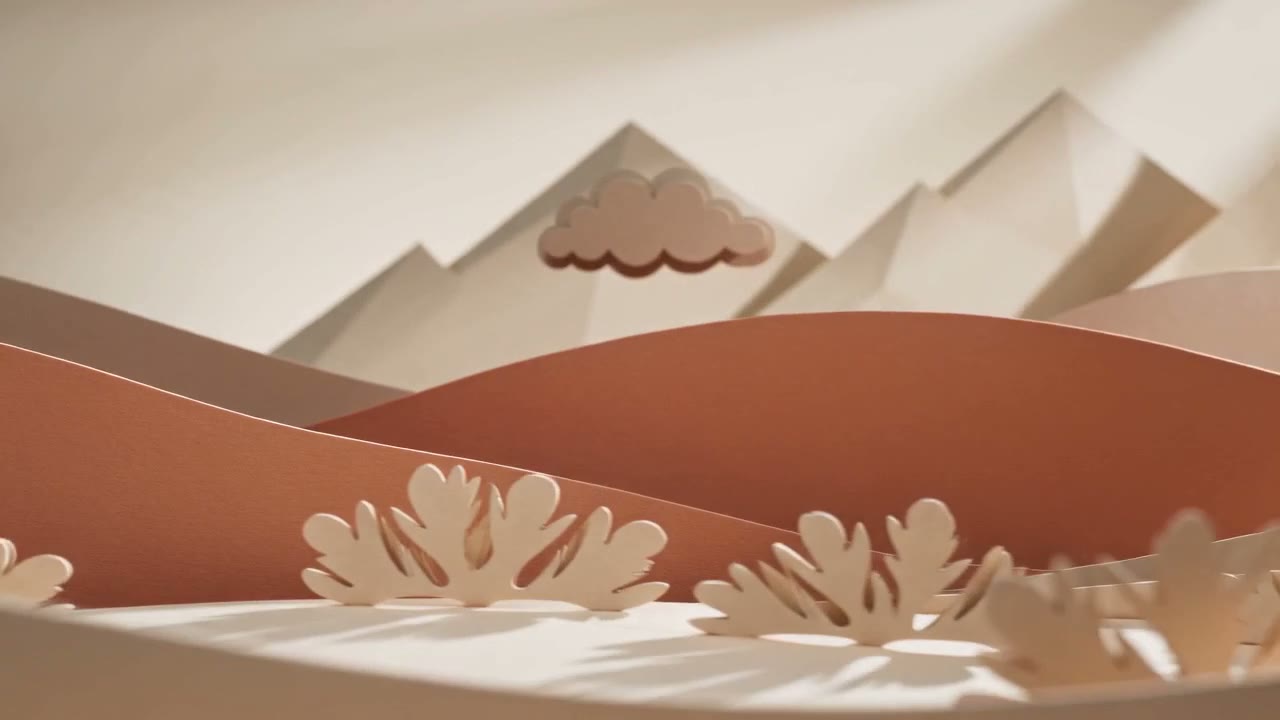
near layer sweeps past quickly, the middle layer slower, the far mountains barely shift — 옆으로 미끄러지는 이동. 층별 속도를 따로 적는 게 전부입니다.
그 외: tracking shot following ~ · handheld, slight camera shake · static locked-off camera(고정) · whip pan · tilt down from the sky to the street
2. 시간을 조작하는 말
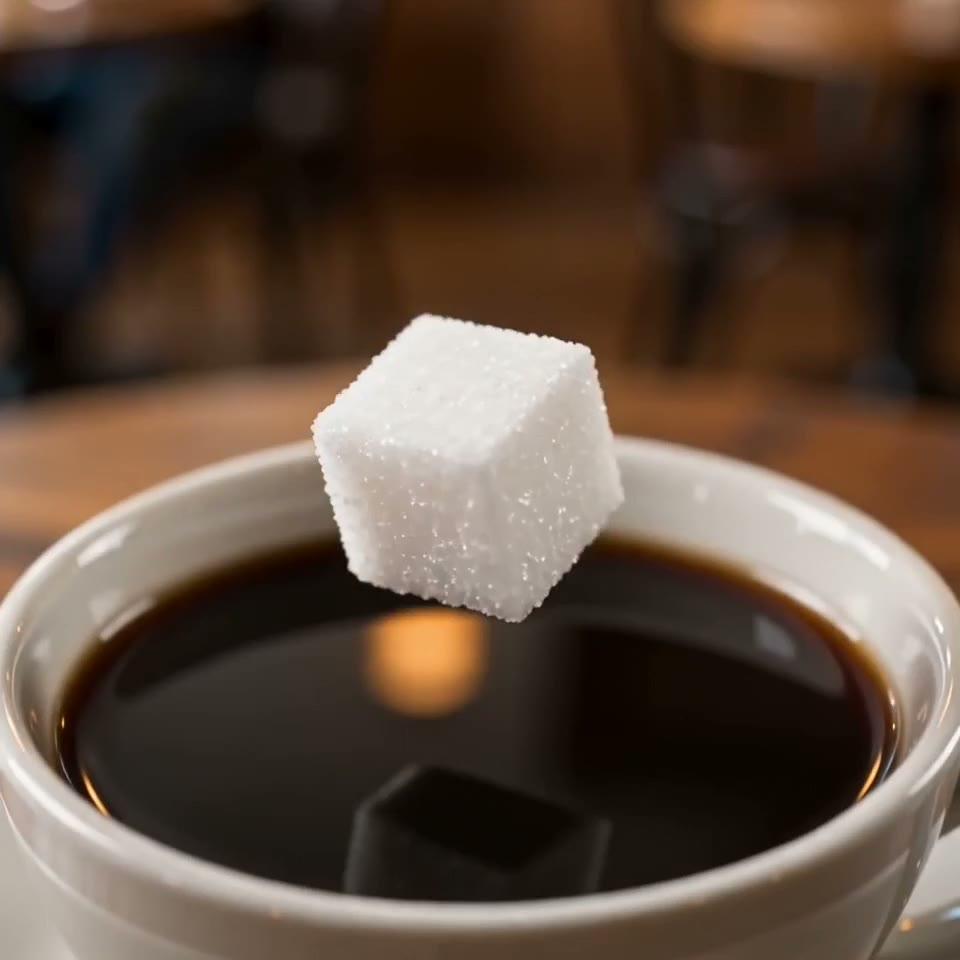
extreme slow motion, very high frame rate look, droplets suspended mid-air — 마지막 구절이 물방울을 공중에 세웁니다. 액체는 슬로모션에서 완전히 다른 물질이 돼요.
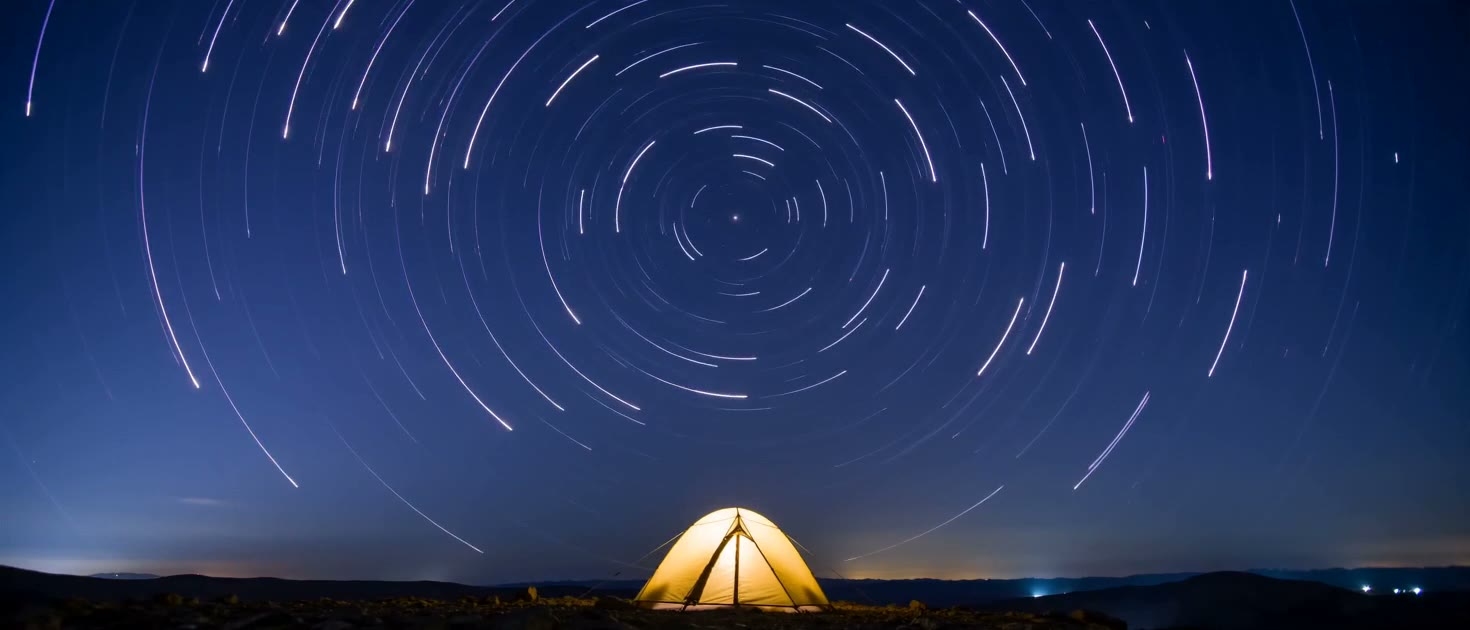
long-exposure timelapse, star trails lengthening, the tent remaining perfectly still — 타임랩스는 안 움직이는 것도 명시해야 대비가 삽니다.
그 외: speed ramp — normal speed, then slowing dramatically at the peak, then accelerating back · seamless loop · time-lapse of clouds racing
3. 초점을 옮기는 말
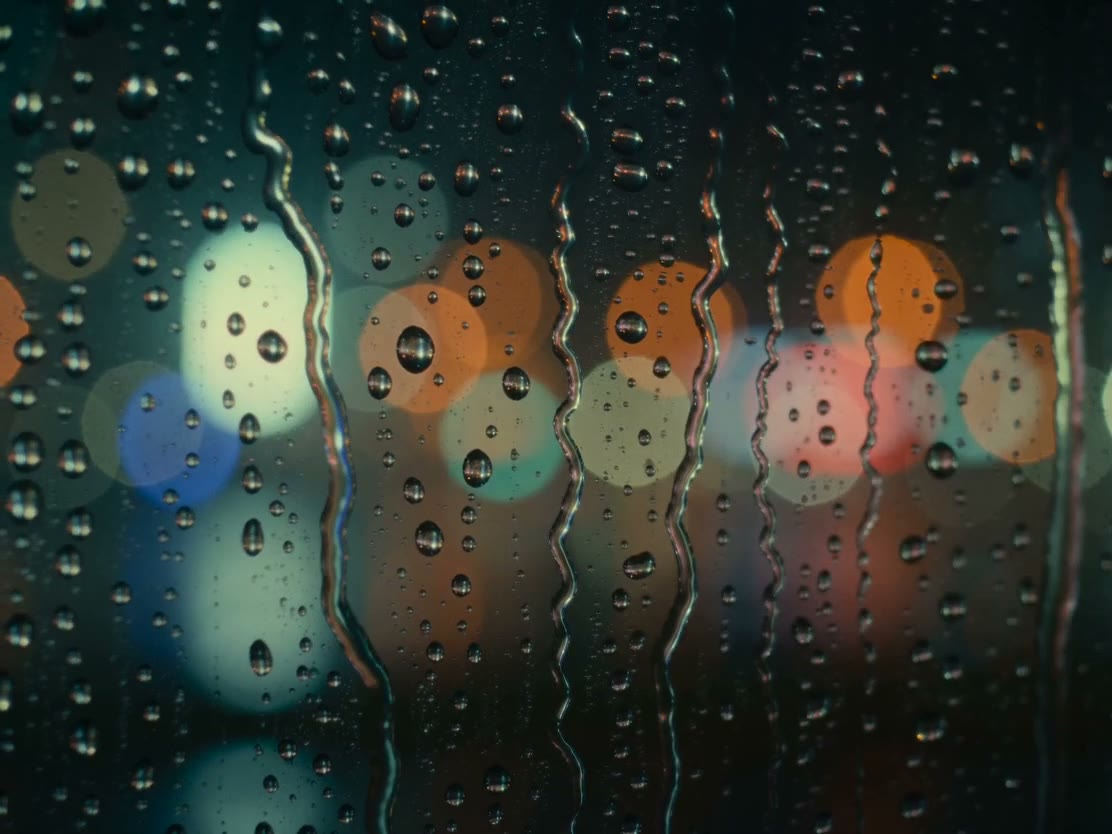
focus starts sharp on the droplets, then pulls smoothly to the distant city lights — 사진은 초점을 하나만 고르지만 영상은 옮길 수 있습니다. 시작 초점과 끝 초점을 둘 다 적으세요.
4. 재료가 변하는 말
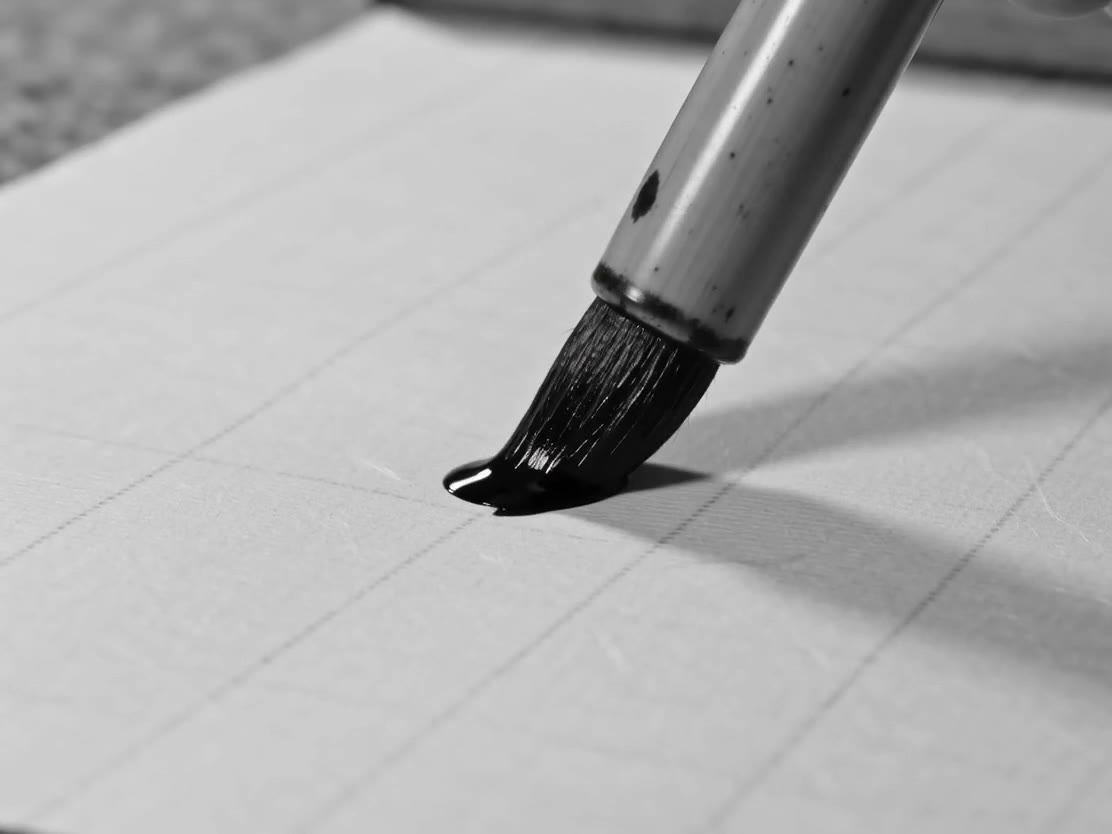
ink blooms outward, spreading and branching, gradually resolving into a crane, static locked-off camera — 카메라를 묶어야 재료가 주인공이 됩니다.
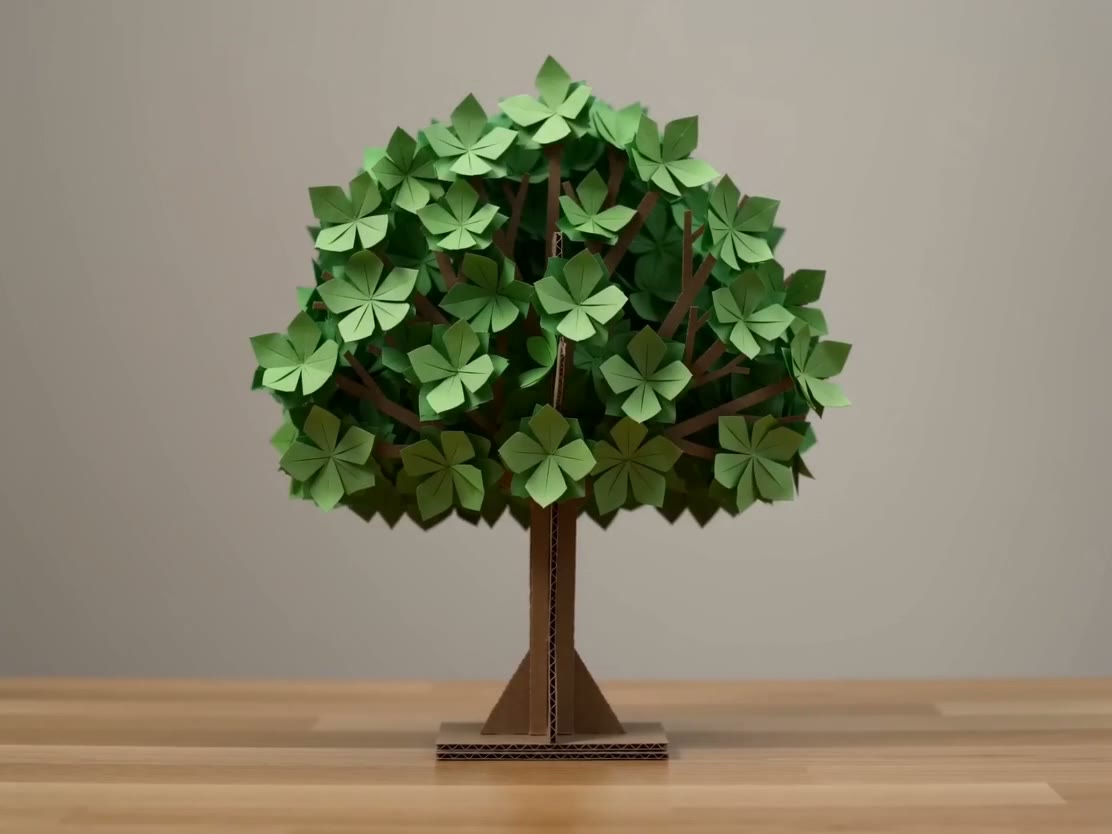
the camera holds perfectly still while only the paper elements change — 무엇이 변하고 무엇이 안 변하는지를 문장으로 나눠 적는 방식입니다.
실전 조립 순서
이미지 프롬프트의 7칸(주제·환경·조명·카메라·구도·스타일)에 두 칸을 더 붙인다고 생각하시면 됩니다.
[장면 묘사] + [카메라가 어떻게 움직이는가] + [무엇이 변하고 무엇이 안 변하는가]
흔한 실패 세 가지
- 움직임을 안 적음 → 거의 정지 화면. 영상에서 가장 흔한 실패입니다
- 움직임을 너무 많이 적음 → 5초에 카메라 이동 + 피사체 동작 + 조명 변화를 다 넣으면 아무것도 제대로 안 됩니다. 한 편에 한 가지가 안전해요
- 안 움직일 것을 안 적음 → 화면 전체가 출렁입니다. 특히 시작 프레임을 쓸 때 치명적입니다
5초는 생각보다 짧습니다. 욕심을 덜어내는 게 기술이더군요 🌃